Special Sessions
Special Session I: Computing and AI Reshaping Education: Theory, Technology, and Practice
专题分会1:计算与AI重塑教育:理论、技术与实践

Session Chair: Assoc. Prof. Fan Zou, Sichuan Normal University, China
Summary:
Artificial intelligence and computing technologies are profoundly reshaping the form and essence of education. From technological frontiers such as generative AI and agentic systems, to the transformation of teaching and learning, educational equity, and governance, this interdisciplinary field calls for in-depth dialogue across multiple perspectives. This session targets researchers, educators, and developers from computer science, education, educational technology, and related fields, focusing on theoretical exploration, system development, empirical research, and policy practice of AI and computing in education. We welcome submissions on technological innovation, educational theory, applied empirical studies, and review articles, aiming to foster deep integration of technology and education and to advance a responsible educational innovation ecosystem in the intelligent era.
人工智能与计算技术正深刻改变教育的形态与内涵。从生成式AI、智能体系统等技术前沿,到教与学模式的变革、教育公平与治理等核心议题,这一交叉领域亟需多学科视角的深入对话。本专题面向计算机科学、教育学、教育技术学及相关领域的研究者、教育工作者和技术开发者,聚焦AI与计算技术在教育中的理论探索、系统构建、实证研究与政策实践。我们欢迎技术创新、教育理论、应用实证及综述类研究,旨在促进技术与教育的深度融合,推动构建智能时代负责任的教育创新生态。
Topics:
1. Generative AI and Agentic Technologies in Education(生成式AI与智能体技术的教育应用)
Design, development, and applied research of large language models, multimodal AI, and multi-agent systems in teaching, learning, and assessment. Construction and effectiveness evaluation of adaptive learning systems, intelligent tutoring systems, and AI-powered learning companions. Design, development, and applied research of educational games, VR/AR learning environments, and other intelligent learning environments.
大语言模型、多模态AI、多智能体系统等在教学、学习与评估中的设计、开发与应用研究。自适应学习系统、智能辅导系统与AI学习伙伴的构建与效果评估。教育游戏、虚拟现实/增强现实学习环境及其他智能学习环境的设计、开发与应用研究。
2. Data-Driven Learning Analytics and Intelligent Assessment in Education(教育数据驱动的学习分析与智能评估)
Learner modeling, learning behavior analysis, and learning prediction based on multimodal data. Research on AI-driven educational assessment methods, including automated scoring, knowledge tracing, and process-based evaluation. Educational knowledge graphs, intelligent recommendation, and personalized learning path planning.
基于多模态数据的学习者建模、学习行为分析与学习预测。AI驱动的教育评估方法研究,包括自动评分、知识追踪与过程性评价。教育知识图谱、智能推荐及个性化学习路径规划。
3. AI Literacy Education, Human-AI Collaboration, and Teaching Innovation(AI素养教育、人机协作与教学创新)
Research on AI literacy and computational thinking cultivation models for teachers and students. Strategies, tools, and effectiveness analysis of integrating AI into subject-specific teaching. AI-supported teaching innovation, including but not limited to human-AI collaborative teaching, blended learning, flipped classrooms, collaborative learning, and personalized instruction.
面向师生的AI素养与计算思维培养模式研究。AI融入学科教学的策略、工具与效果分析。AI支持的教学模式创新,包括但不限于人机协作教学、混合式学习、翻转课堂、协作学习与个性化教学等。
4. Ethics, Governance, and Theoretical Reviews of AI in Education(教育AI的伦理、治理及理论综述)
Algorithmic bias, data privacy, academic integrity, and reliability of AI-generated content in educational AI. Research on AI governance frameworks, usage guidelines, and policies in educational institutions. Theoretical construction, systematic reviews, meta-analyses, and research trend analyses in the interdisciplinary field of AI and education.
教育AI中的算法偏见、数据隐私、学术诚信与AI生成内容的可靠性研究。教育机构AI治理框架、使用规范与政策研究。AI与教育交叉领域的理论构建、系统性综述、元分析与研究趋势分析。
Submission Deadline: October 9, 2026
Special Session II: Smart City
专题分会2:智慧城市
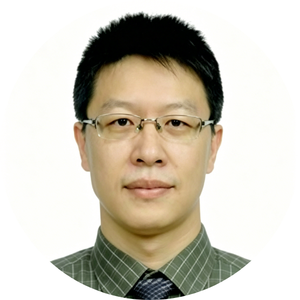
Session Chair: Assoc. Prof. Chuang Ma, Shanghai Polytechnic University, China
Summary:
Currently, the construction of smart cities is entering a period of rapid development, yet there are significant differences in technological paths both domestically and internationally. Therefore, a special symposium has been established. The symposium focuses on cutting-edge theories and industrial applications of smart cities, revolving around core topics such as digital infrastructure, smart transportation, digital assets, and privacy protection. It brings together experts, scholars, and industry researchers from both domestic and overseas to share research findings on big data, the Internet of Things, artificial intelligence, and information security in the fine management of cities. The conference will condense academic summaries and constructive development suggestions, facilitate cross-disciplinary academic collaboration, and promote the sharing of research experience on smart city technology from various countries as well as the implementation of industry-university-research cooperation.
目前,智慧城市建设迎来高速发展期,但国内外技术路径差异显著,为此设立专题研讨。研讨聚焦智慧城市前沿理论与产业应用,围绕数字基建、智慧交通、数字资产、隐私保护等核心议题,汇聚海内外专家学者与产业研究者,分享大数据、物联网、人工智能、信息安全在城市精细化管理中的研究成果。会议将凝练学术纪要与建设性发展建议,助力跨界学术联动,推动各国智慧城市技术研究经验共享与产学研合作落地。
Topics:
1. Digital pedestal and key technologies(数字底座与关键技术)
(1) Innovative applications of the Internet of Things, big data, AI, and digital twins in smart cities(物联网、大数据、AI、数字孪生在智慧城市的创新应用)
(2) Urban computing power network and new information infrastructure construction technology(城市算力网络、新型信息基础设施搭建技术)
2. Refined smart governance of cities(城市精细化智慧治理)
(1) Smart government administration, comprehensive urban governance, and intelligent early warning of urban risks(智慧政务、市域综合治理、城市风险智能预警)
(2) Implementation and practice of smart transportation, smart water management, and smart security(智慧交通、智慧水务、智慧安防落地实践)
3. Green, low-carbon and smart city(绿色低碳智慧城市)
(1) Zero-carbon urban areas, smart energy management and control, and digital technology for green buildings(零碳城区、智慧能源管控、绿色建筑数字化技术)
(2) Intensive utilization plan of urban resources under the dual carbon goals(双碳目标下城市资源集约利用方案)
4. Data security and industrial application(数据安全与产业落地)
(1) Urban data governance, data privacy protection, and marketization of data elements(城市数据治理、数据隐私保护、数据要素市场化)
(2) Comparison of implementation cases and cross-regional construction experiences of industry-university-research cooperation in smart cities(智慧城市产学研落地案例、跨区域建设经验对比)
Submission Deadline: October 9, 2026
Special Session III: Sub‑Session on Integration of Artificial Intelligence and Cryptographic Computing
专题分会3:人工智能与密态计算融合分会
 |
 |
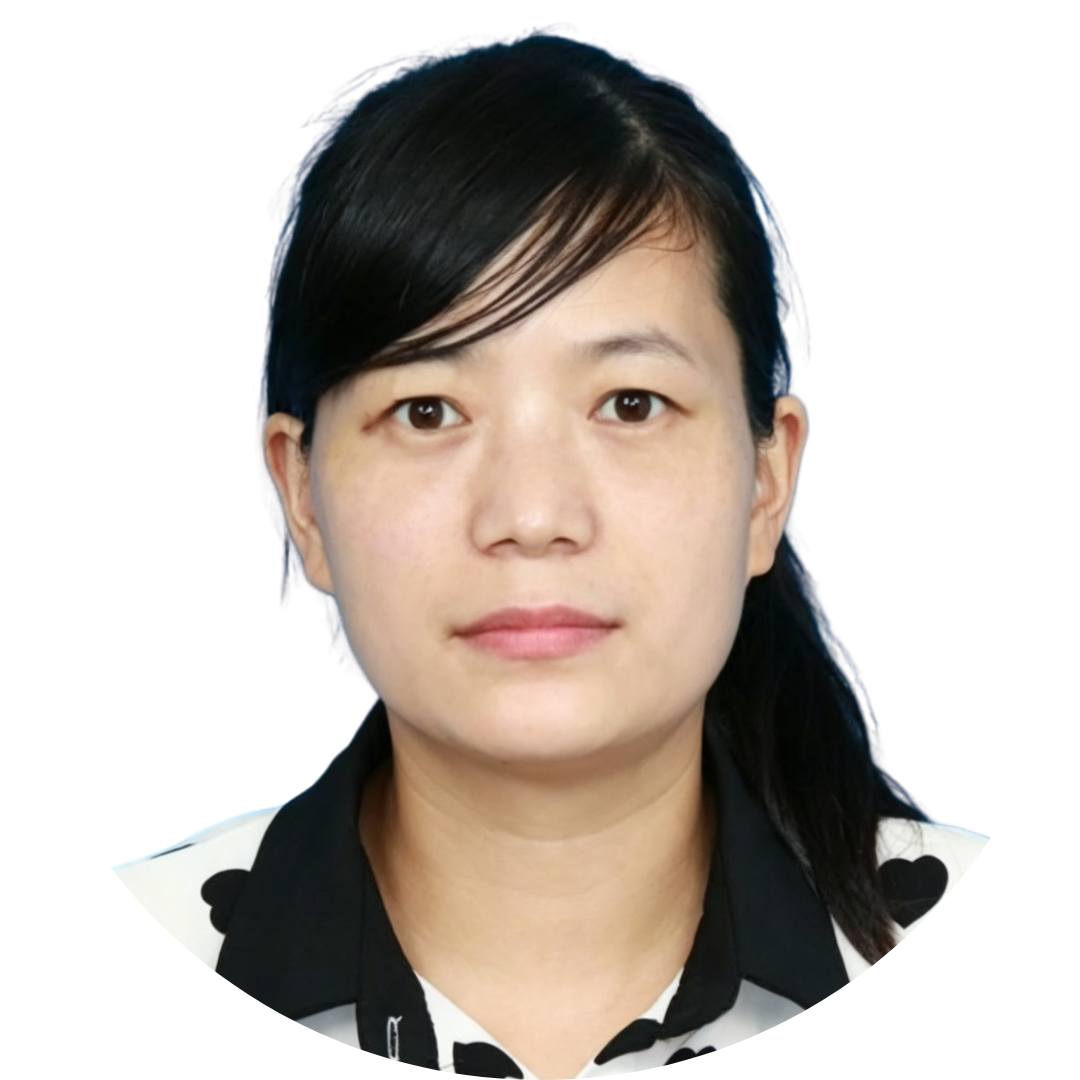
| Session Chair: Assoc. Prof. Yange Chen, Xuchang University, China |
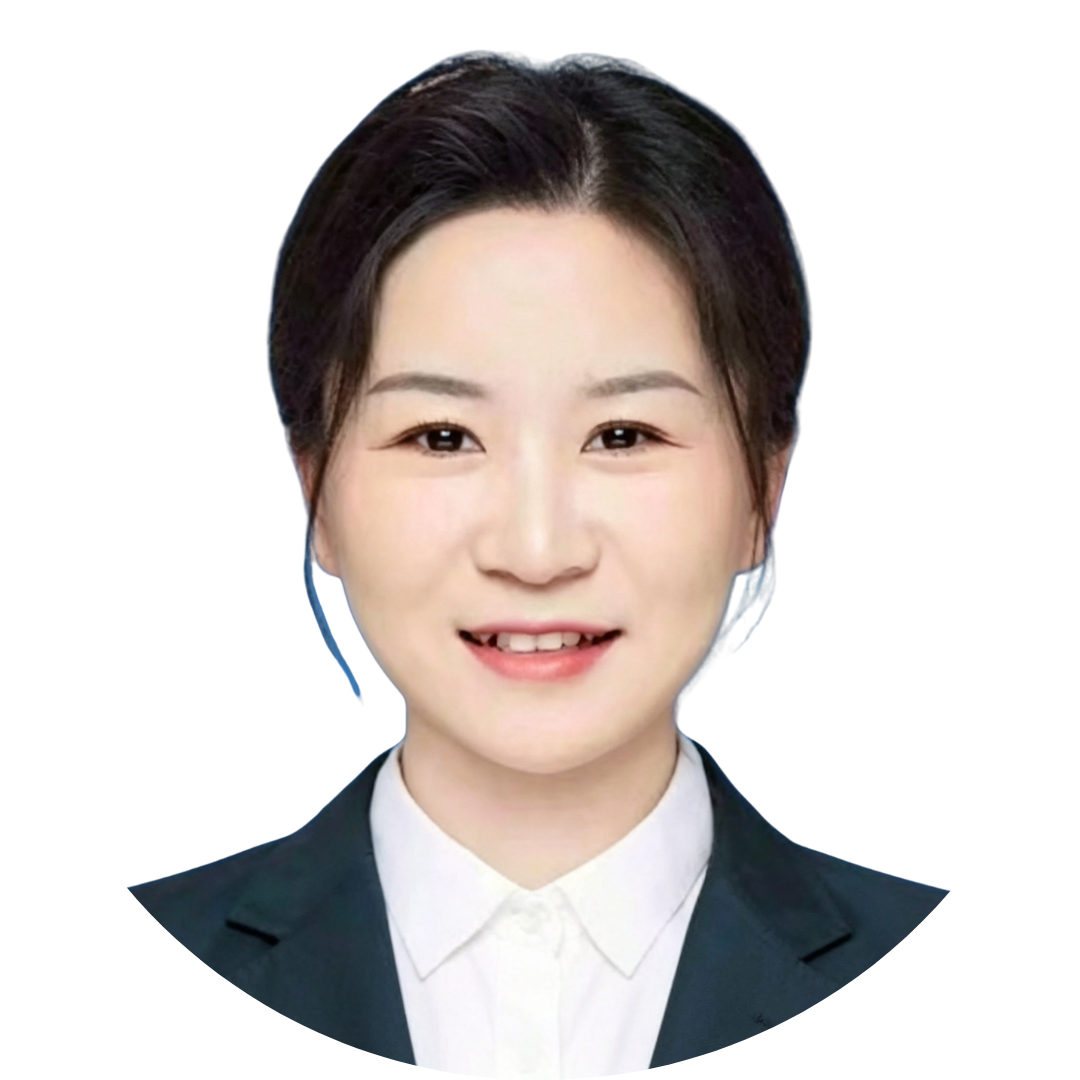
Co-Chair: Assoc. Prof. Zhen Zhao, Xidian University, China |
Summary:
Faced with opportunities and security challenges brought by the rapid development of large‑language models and artificial intelligence, it is urgent to promote the innovation of AI security technical system. As a critical technical path to realize privacy protection for AI data and models, confidential computing has become a cutting‑edge research hotspot in the field of cyberspace security. Focusing on the integration of artificial intelligence and confidential computing, this session covers artificial intelligence, large‑language models, large‑language model security, AI security, ciphertext training and inference, confidential computing, privacy‑preserving computation and other topics. Experts from universities and research institutes will share achievements on theoretical research, algorithm optimization, system implementation and practical deployment, analyze existing technical bottlenecks, and advance interdisciplinary innovation among cryptography, cyberspace security and artificial intelligence.
面对大语言模型与人工智能蓬勃发展带来的机遇与安全挑战,亟需推进人工智能安全技术体系创新;密态计算作为实现 AI 数据与模型隐私保护的重要技术路径,是当前网络空间安全领域的前沿研究热点。本分会聚焦人工智能与密态计算的交叉融合,围绕人工智能、大语言模型、大语言模型安全、人工智能安全、密文训练与推理、机密计算、隐私计算等议题,邀请高校及科研院所专家分享理论研究、算法优化、系统实现与落地实践成果,剖析现存技术痛点,促进密码学、网络空间安全与人工智能领域的交叉创新。
Topics:
1. Large Language Models and Their Security(大语言模型及安全)
2. Artificial Intelligence and Its Security(人工智能及安全)
3. Ciphertext Training and Inference Technologies for Large-Language Models(大模型密文训练及推理技术)
4. Ciphertext Training and Inference Technologies for Artificial Intelligence(人工智能密文训练及推理技术)
5. Privacy-Preserving Computing Algorithms and Protocols for Large-Language Models(大模型隐私计算算法与协议)
6. Architecture and Optimization of Confidential System for Large-Language Models(大模型密态系统架构与优化)
7. Model Stealing and Adversarial Defense of Artificial Intelligence(人工智能模型窃取与对抗防御)
8. Applications and Practices of Confidential Artificial Intelligence(密态人工智能应用与实践)
Keywords:
Artificial Intelligence(人工智能)
Large Language Model(大模型)
Artificial Intelligence Security(人工智能安全)
LLM Security(大模型安全)
Ciphertext Computing(密文计算)
Confidential Computing(机密计算)
Privacy-Preserving Computation(隐私计算)
Ciphertext Training(密文训练)
Ciphertext Inference(密文推理)
Submission Deadline: October 15, 2026
Special Session IV: AI-Driven Resource Scheduling and Intelligent Decision-Making for Complex Systems
专题分会 IV:人工智能驱动的复杂系统资源调度与智能决策
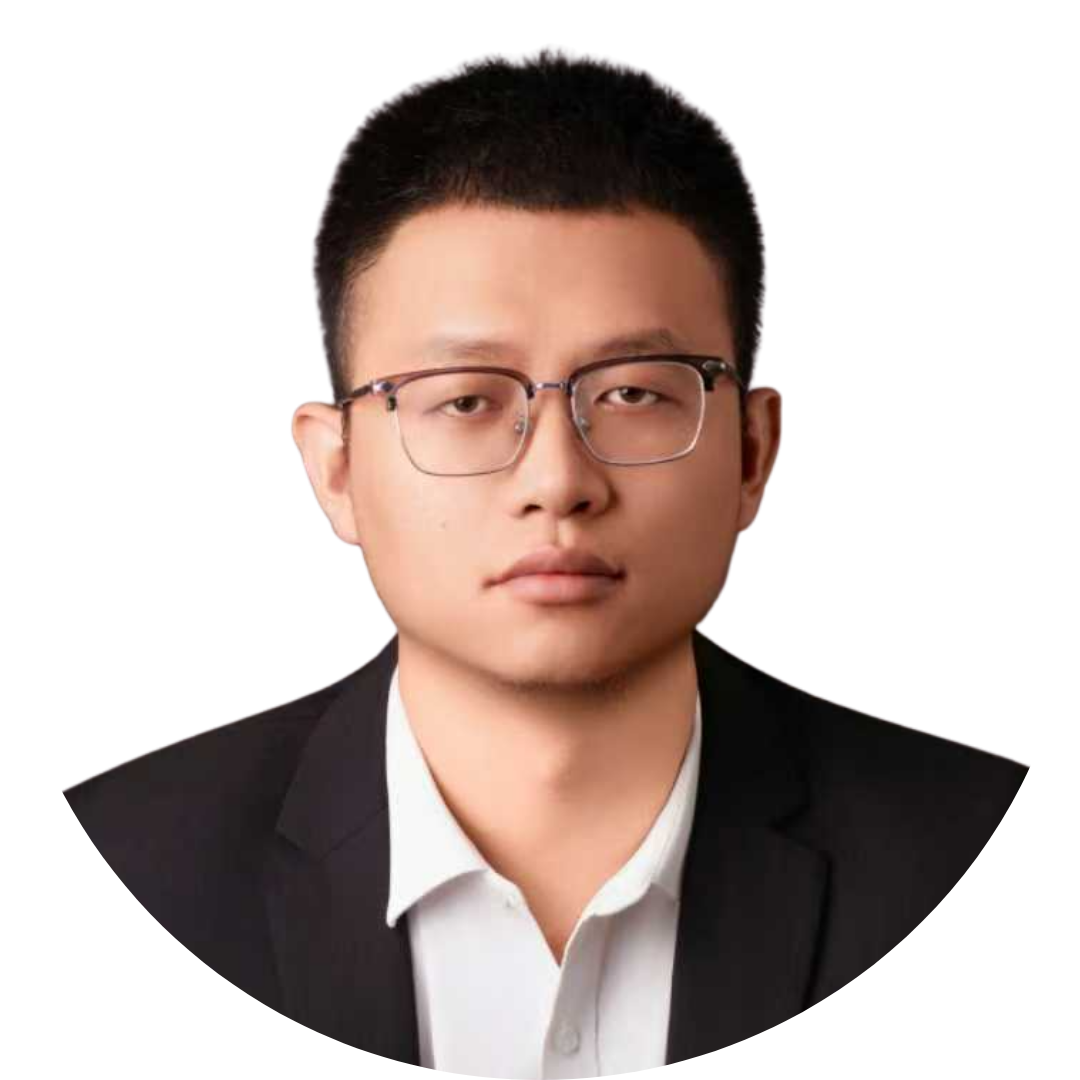 Session Chair: Assoc. Prof. Shuo Qin, Xi'an University of Posts and Telecommunications, China
Summary:
Resource scheduling and decision-making in complex systems—such as smart manufacturing, intelligent transportation, cloud computing, and power networks—are inherently characterized by high dimensionality, dynamic evolution, multi-objective coupling, and strong uncertainty, posing fundamental challenges to traditional mathematical programming and rule-based approaches. This session focuses on the latest advances of artificial intelligence techniques for resource scheduling and intelligent decision-making in complex systems, including but not limited to: deep reinforcement learning and multi-agent learning, evolutionary computation and swarm intelligence optimization, large-model and knowledge-driven decision reasoning, digital-twin-enabled scheduling optimization, and real-world applications in cloud data centers, smart manufacturing, intelligent transportation, and energy systems. The session aims to bring together researchers and practitioners from artificial intelligence, operations research, and systems engineering to exchange theoretical innovations, algorithmic breakthroughs, and practical experiences, fostering the development and integration of AI-driven scheduling and decision-making theories and technologies.
复杂系统如智能制造、智慧交通、云计算与电力网络等中的资源调度与决策问题普遍呈现高维、动态、多目标耦合与强不确定性等特征,传统基于数学规划或规则的方法难以有效应对。本专题聚焦人工智能技术在复杂系统资源调度与智能决策中的最新研究进展,涵盖但不限于:深度强化学习与多智能体学习方法、演化计算与群智能优化、大模型与知识驱动的决策推理、数字孪生驱动的调度优化,以及面向云数据中心、智能制造、智慧交通、能源系统等典型场景的应用实践。本专题旨在汇聚人工智能、运筹优化与系统工程等领域的学者与工程技术人员,交流理论创新、算法突破与落地应用经验,推动人工智能驱动的调度决策理论与技术的发展与融合。
Topics:
1. Deep Reinforcement Learning for Resource Scheduling and Optimization in Complex Systems(基于深度强化学习的复杂系统资源调度与优化)
2. Multi-Agent Reinforcement Learning and Distributed Collaborative Decision-Making(多智能体强化学习与分布式协同决策)
3. Evolutionary Computation and Swarm Intelligence for Scheduling Problems(演化计算与群智能优化在调度问题中的应用)
4. Robust Scheduling and Online Decision-Making under Dynamic and Uncertain Environments(面向动态与不确定环境的鲁棒调度与在线决策)
5. Large-Model and Knowledge-Driven Intelligent Decision Reasoning(大模型与知识驱动的智能决策推理)
6. Digital Twin-Driven Scheduling Simulation and Optimization(数字孪生驱动的调度仿真与优化)
7. Multi-Objective Optimization and Large-Scale Parallel Scheduling Algorithms(多目标优化与大规模并行调度算法)
8. Real-World Applications of Intelligent Scheduling and Decision-Making in Smart Manufacturing, Intelligent Transportation, Cloud Computing, and Energy Systems(智能调度决策在智能制造、智慧交通、云计算与能源系统中的落地应用)
Keywords:
Intelligent Resource Scheduling(智能资源调度)
Complex Systems Modeling(复杂系统建模)
Large-Scale Optimization(大规模优化)
Intelligent Decision-Making(智能决策)
Multi-Agent Systems(多智能体系统)
Deep Reinforcement Learning(深度强化学习)
Submission Deadline: October 22, 2026